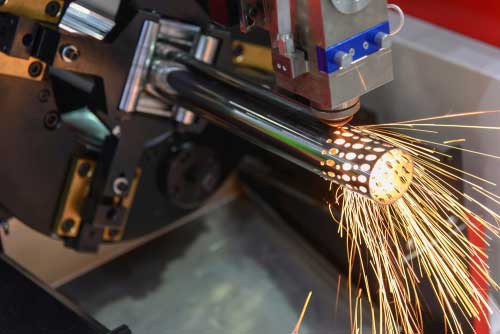
Types of Steel Tubing
Choosing the right type of steel tubing affects everything downstream: how the part performs, how it welds and forms, and how long it lasts in the field. T&B Tube produces carbon steel tubing, hot rolled, pickled and oiled, cold rolled, HSLA, and AKDQ tubing, each suited to a different combination of strength, formability, and finish. If you're not sure which grade fits your application, this page walks through the differences so you can spec with confidence or get a quote fast.
As an ISO 9001:2015-certified mill, we supply mechanical tubing in custom shapes, diameters, wall thicknesses, and lengths, and we tailor orders around what a project actually needs rather than a standard catalog run. Whether you need a full production order or a short run of a specific grade cut to length, our team works the spec with you before it ever hits the line.
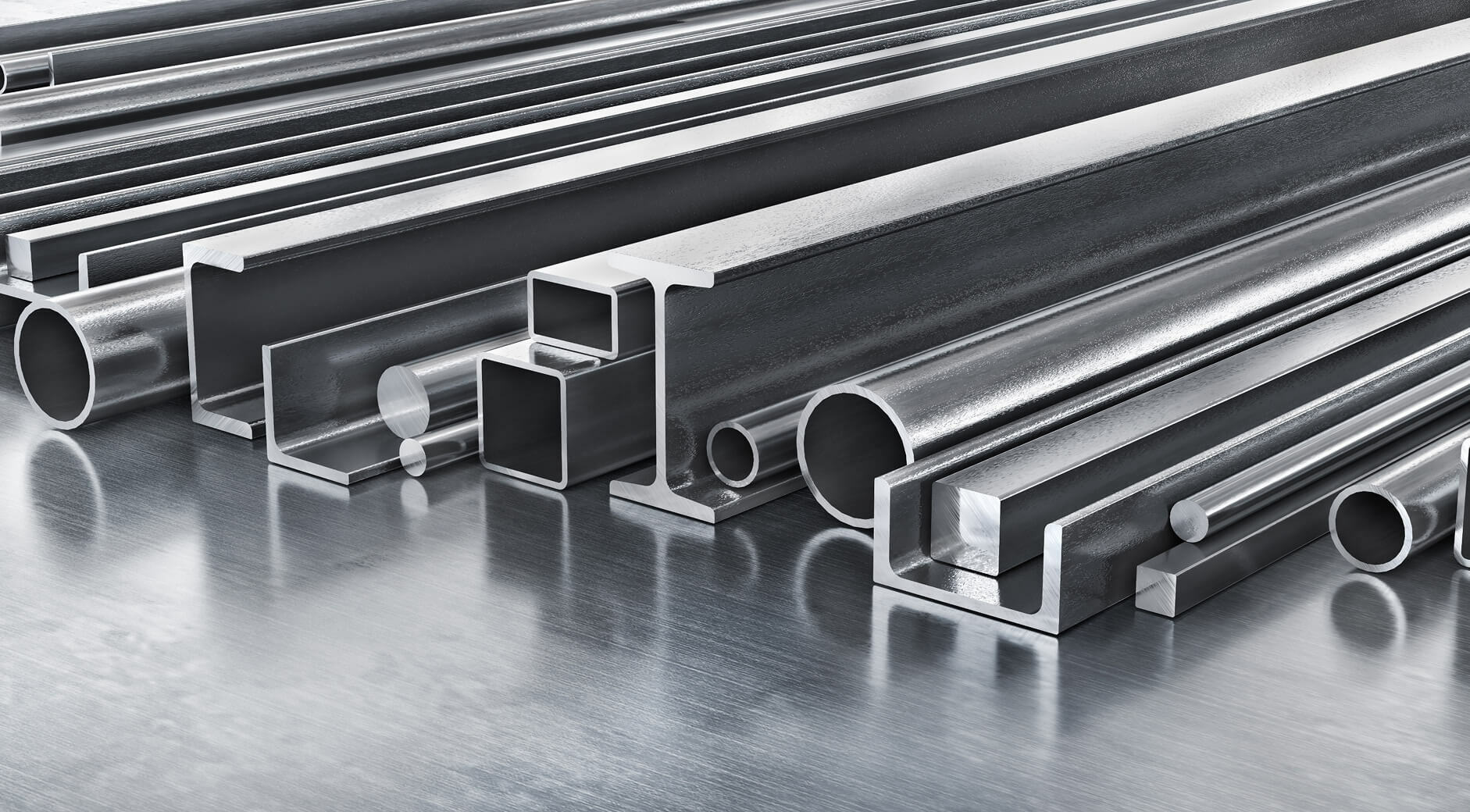
Carbon Steel Tubing
Carbon steel tubing is the workhorse of the group. It offers a strong, predictable balance of strength, weldability, and cost, which is why it shows up across structural components, automotive parts, and general fabrication. Grade and wall thickness both shift the mechanical properties, so the right spec depends on the load the part will carry and how it will be joined or formed downstream.
Hot-Rolled Steel Tubing
Hot-rolled tubing is processed at high temperatures, which leaves a scaled surface finish and looser dimensional tolerances than cold-rolled tubing. It's a cost-effective choice for structural and heavy-fabrication applications where tight tolerances and a polished finish aren't the priority.
Learn More About Hot-Rolled Steel Tubing →
Hot-Rolled Pickled and Oiled Steel Tubing
Pickled and oiled tubing starts as hot-rolled material that's been acid-cleaned to remove surface scale, then coated with a light oil film to prevent rust before further processing. It gives fabricators a cleaner substrate for welding, painting, or coating without paying for the tighter tolerances of cold-rolled.
Learn More About Hot-Rolled Pickled and Oiled Steel Tubing →
Cold-Rolled Steel Tubing
Cold-rolled tubing is processed at room temperature, resulting in tighter dimensional tolerances, a smoother surface finish, and higher strength than hot-rolled tubing. It's the better fit for mechanical tubing applications where fit, finish, and consistency matter, including precision components and parts that will be visible in the final product.
Learn More About Cold-Rolled Steel Tubing →
HSLA Steel Tubing
High Strength Low Alloy (HSLA) tubing incorporates small amounts of alloying elements into standard carbon steel to increase strength without significantly increasing weight. It's specified where a part needs to carry more load in a lighter or thinner-walled section, common in automotive frames, agricultural equipment, and structural components with strict weight targets.
Learn More About HSLA Steel Tubing →
AKDQ Steel Tubing
Aluminum Killed Drawing Quality (AKDQ) tubing is produced for maximum formability. The aluminum-killing process controls grain structure so the material can be drawn, bent, or stamped into complex shapes without cracking or splitting. It's the standard choice for deep-draw and tight-radius forming applications.
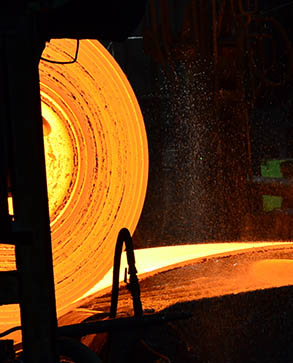
Hot Rolled Tube
Hot-rolling refers to a mill process in which you roll the steel at a temperature above its recrystallization temperature; a heat that…
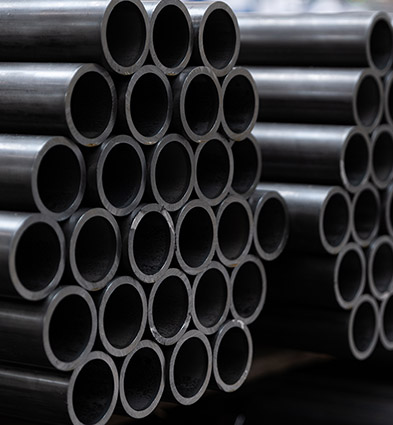
Pickled and Oil Steel Tube
Hot rolled steel is run through an acid bath (pickling) in order to remove the surface scale.
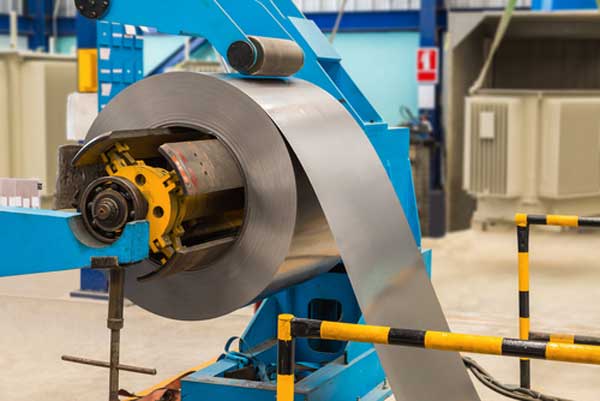
Cold Rolled
Cold rolled steel tubing is created by a process that refers to steel (Hot Rolled) that is pressed with the pressure of a roller at…
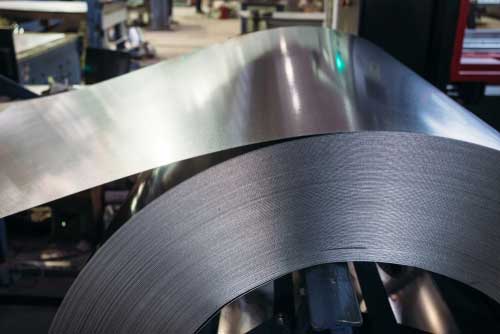
AKDQ
T&B Tube provides aluminum killed drawing quality tubing in various sizes, wall thicknesses, and finishes. Also called AKDQ tubing,…
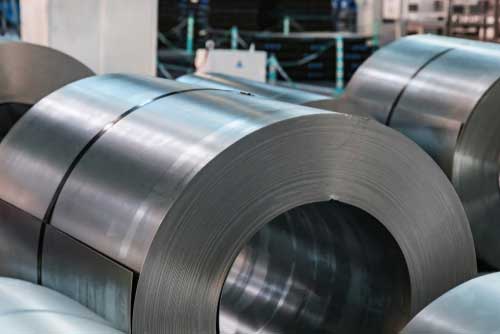
HSLA
T&B Tube supplies high-strength low-alloy tubing, or HSLA tubing, in a range of sizes, wall thicknesses, and finishes. It’s perfect…
Which Type of Steel Tubing Do You Need?
If your part needs to be welded or formed into a tight radius, AKDQ or cold-rolled tubing will give you more consistent results. If cost and structural strength matter more than surface finish, hot-rolled or pickled and oiled tubing gets the job done without paying for tolerances you don't need. If you're trying to cut weight without sacrificing load capacity, HSLA is worth a look. Not sure which fits your spec? Request a quote and our team will help you match the grade to the application.
Ask An Expert
Contact Us"Customers want to know how quickly we can get them what they need. We have short rolling cycles, down to 3 weeks from over 4. We also share our delivery dates publicly so they can always be on top of product availability. Helping you manage very short lead times is something we take very seriously."
FAQs
Steel is generally grouped into four classes: carbon steel, alloy steel, stainless steel, and tool steel. Carbon steel, the category that most of T&B Tube's mechanical tubing falls under, is further divided by carbon content into low-, medium-, and high-carbon grades, each offering a different balance of strength and ductility.
Metal tubing is typically classified by manufacturing method (welded or seamless), by shape (round, square, or rectangular), and by material or grade, such as carbon steel, HSLA, or AKDQ. The right combination depends on the load, the forming process, and the finish the finished part requires.
4140 is a chromium-molybdenum alloy steel grade known for high strength and good wear resistance, often used in shafts and other high-stress mechanical components. It falls outside T&B Tube's standard carbon steel and HSLA product lines; contact our team to discuss your specific grade requirements.
Strength depends on grade, wall thickness, and heat treatment rather than one universal answer. Within T&B Tube's product line, HSLA tubing delivers the highest strength-to-weight ratio, since it's engineered specifically to carry more load in a thinner-walled section than standard carbon steel.
Explore Our Services
Cut to Length
Buying steel tube that is already cut to length can help minimize lead times and eliminate unneeded scrap, labor and machine costs.
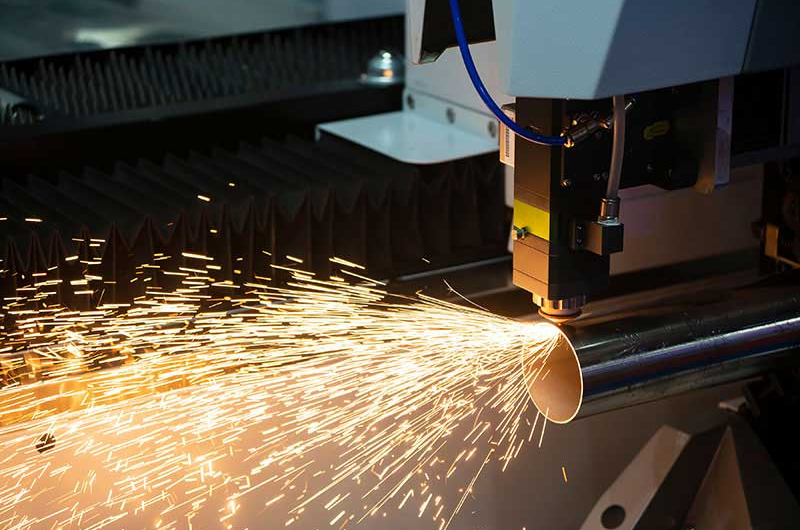
Deburring Services
For applications that require a clean end cut without jagged edges, T&B Tube offers inline deburring and offline deburring.
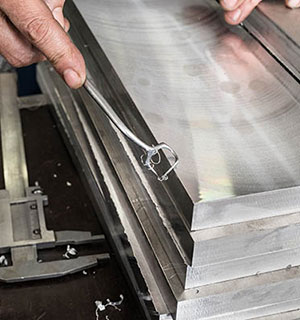
Steel Tube Managed Inventory
Join the growing number of customers that are having T&B manage inventory for them.

Steel & Custom Tube Packaging
Flexibility is one of the main components of our superior customer service.
Steel Tube Consignment Warehousing
At T&B Tube, we selectively partner with customers to develop consignment programs where you can have steel tube readily available…
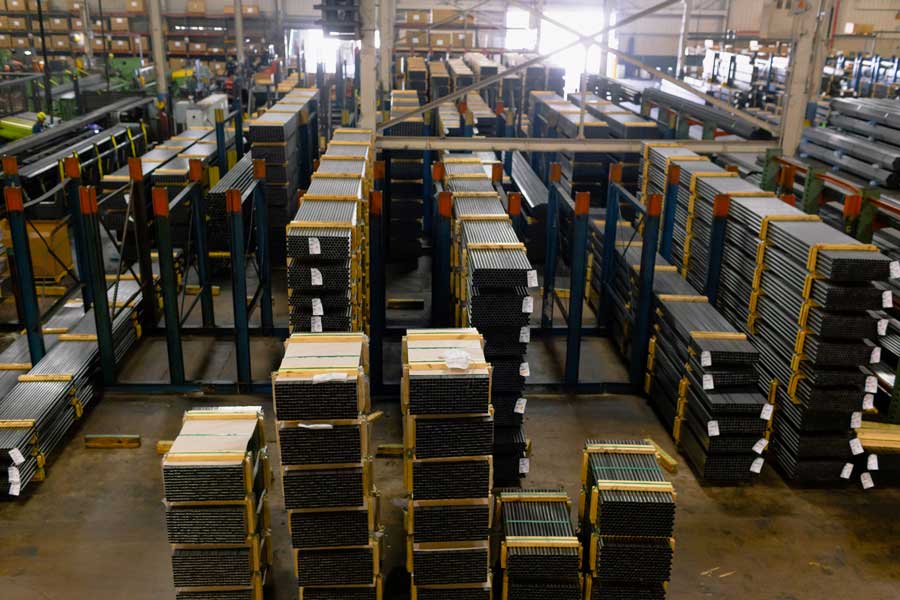
Tube Laser Cutting
T&B Tube’s laser service can cut your part with a hole, notch, or a special miter.